Speed is very important in the world of software these days. Teams contribute new features every day, and sometimes even every hour. But this speed is a significant problem. How do you make sure that every time you change the code, it still fulfills all of the security, regulatory, and internal standards? This is where continuous compliance automation becomes very critical.
Old-fashioned means of making sure compliance worked well with slow release cycles. You can’t undertake manual audits, regular inspections, or document checks on modern CI/CD pipelines because they move too fast. Continuous compliance makes the DevOps process smarter, more automated, and helps you see what’s going on right away. This helps teams stick to the guidelines without stopping fresh ideas from coming up.
This blog post will explain what continuous compliance is, why it is important for CI/CD pipelines, and how AI-powered automation is transforming the way DevOps compliance works.
What does “continuous compliance” mean for CI/CD pipelines?
Continuous compliance means adding compliance checks directly into the CI CD workflow. Not just after development or during audits, but at every stage of the software lifecycle, compliance is tested automatically. This method makes sure that the code passes all legal and security tests before it is used.
– Everyone needs to agree on the rules for building infrastructure.
– We quickly detect and fix problems with compliance.
You don’t just do CI and CD once anymore. It runs all the time, even when developing and deploying.
Why following the rules doesn’t work in DevOps anymore
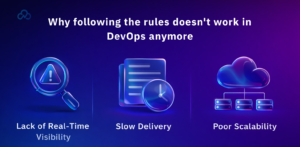
There was a time when new versions came out every three to six months, and people had to follow the regulations by hand. On the other hand, CI CD pipelines should constantly be operating. Here are some reasons why outdated methods don’t work:
Not being able to observe things as they happen
They do audits by hand after the fact. Code that isn’t safe may already be in use by the time problems are found.
Takes More Time to Grow
Waiting for approvals or compliance sign-offs makes developers mad and slows them down.
A lot of chances for people to make mistakes
It hard to run manual tests correctly, and they often get things wrong, especially with cloud systems that are hard to understand.
It’s hard to make it bigger.
It is impossible to keep up with compliance by hand when additional apps, microservices, and cloud resources are produced. Moving compliance to the left and making it a normal component of DevOps operations solves these problems with continuous compliance automation.
What Continuous Compliance Automation Does
Continuous compliance automation adds checks for laws, regulations, and security controls right into CI/CD pipelines.
Policy in Code
Version control keeps track of code that follows the rules. You may look at, test, and change policies in the same way that you would with application code. Validation that happens on its own at every step. Automated testing makes ensuring that:
– The code’s safety
– Building infrastructure
– Licenses for dependencies
– Rules for limiting access
Alerts and feedback right away
When a developer breaks a rule, they get quick feedback that helps them fix the problem right immediately.
Keeping an eye on ongoing compliance
After deployment, compliance doesn’t stop. Continuous compliance monitoring checks for changes that weren’t allowed, drift, or misconfigurations in live systems.
Important Parts of CI/CD Pipelines That Need to Follow the Rules
Access and security control
Automated checks make sure that the correct techniques to validate someone’s identification, give authorization, and keep secrets are always used.
Building the infrastructure and the cloud
To make sure that cloud resources aren’t set up wrong, which could leave security flaws, they are reviewed against recognized standards.
What the government wants
There are highly strict laws that must be followed in industries like healthcare, finance, and SaaS. Automation makes sure that these rules are always followed.
Make an audit happen Companies are always ready for audits since they have automated records and reports that don’t have to be done quickly at the last minute.
DevOps compliance automation connects the teams that work on development, security, and compliance together.Here are some of the good things about these:
– Release cycles that are faster and don’t put security at risk
– Less risky business
– Consistent enforcement of rules for compliance
– Less money spent on audits and maintenance
– Compliance doesn’t slow things down; it speeds up and makes software delivery safer.
How advanced AI services help you stay in compliance
Automation is great on its own, but AI makes it much easier to do what you’re supposed to.
Finding Risks That Make Sense. AI models seek for patterns in code changes, changes to settings, and how deployments are done to detect changes that are likely to cause problems before they happen.
What you need to know about compliance that predicts the future
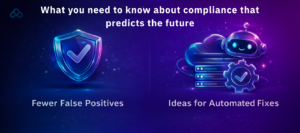
With good AI services, teams may find out where compliance problems are most likely to happen and stop them before they do.
Fewer False Positives
AI helps developers figure out which compliance problems are serious and which ones are merely small changes, which cuts down on alert fatigue.
Ideas for automated fixes
AI systems can do more than just find problems; they can also offer fixes or even make modifications that are safe on their own. Companies can use AI to help with compliance and CI/CD tasks, which will speed things up and make them feel more at ease. Always checking to make sure everything is in order during production
You can still follow the guidelines even if you use the code. Cloud environments are continually changing, and so are their settings. Continuous compliance monitoring makes sure that:
– Infrastructure stays in line with approved policies
– You can find changes that aren’t allowed right away.
– Security processes still work even when everything around them change.
By verifying all the time, companies can keep their trust, follow the rules, and stay out of trouble that costs a lot of money.
Final Thoughts
Compliance can’t be an afterthought when software creation speeds up. Continuous compliance automation makes sure that new ideas don’t get in the way of following security and regulatory regulations.
By adding compliance to CI/CD pipelines, utilizing DevOps compliance automation, and employing AI-driven insights to improve their capabilities, companies can consistently deliver software on time and in compliance.
Staying safe isn’t the only reason to follow the rules. It’s about building trust, strength, and long-term success in a world that is primarily online.
FAQs
1. What does it mean to automate for continuing compliance?
Continuous compliance automation uses automated tools and procedures to make sure that compliance checks are always running in CI/CD pipelines and production settings.
2. How does CI CD compliance help DevOps accomplish its job better?
CI CD compliance makes it such that security and regulatory checks happen on their own. This means that teams can deliver things faster because they don’t have to wait for people to do them.
3. Why is it important to always check for compliance?
Real-time continuous compliance monitoring finds configuration drift and changes that aren’t authorized, so systems stay compliant even after they are used.
4. Is it possible for AI to improve the automation of DevOps compliance?
Yes, advanced AI services can help you figure out what threats business might face, lower the frequency of false positives, and come up with clever approaches to solve compliance issues.
5. Do only businesses that have to follow the rules have to keep up with compliance?
No, regulated industries do get a lot of benefits, but any firm that employs CI/CD pipelines may make their systems more secure, reliable, and trustworthy by adopting continuous compliance automation.
Do you like to read more educational content? Read our blogs at Cloudastra Technologies or contact us for business enquiry at Cloudastra Contact Us