Key Takeaways
-
Technology innovation combines new technological capabilities with practical applications to solve real-world problems and create competitive advantages
-
Leading innovations in 2024 include Generative AI 2.0, autonomous systems, quantum computing breakthroughs, and sustainable technology solutions
-
Successful technology innovation requires strategic alignment between R&D investments, business objectives, and market demands
-
Organizations implementing structured innovation management processes see 2.5x higher revenue growth compared to those without formal frameworks
-
The global technology innovation market is projected to reach $1.2 trillion by 2027, driven by AI, IoT, and emerging technologies
The world of business is experiencing an unprecedented transformation driven by technology innovation. In 2023 alone, global innovation spending reached $847 billion, with organizations across industries racing to harness new technologies that promise to reshape how we work, live, and solve complex challenges. From artificial intelligence revolutionizing decision-making processes to quantum computing opening new frontiers in problem solving, technological innovations are no longer optional enhancements—they’ve become fundamental drivers of competitive advantage and business survival.
What sets apart successful organizations in this rapidly evolving landscape isn’t just their access to new technologies, but their ability to systematically innovate and adapt. Companies that have implemented structured innovation management processes are seeing 2.5 times higher revenue growth compared to those operating without formal frameworks. This comprehensive guide explores the strategic approaches, emerging trends, and practical implementation strategies that define successful technology innovation in 2024 and beyond.
Understanding Technology Innovation in the Modern Era
Technology innovation represents the systematic application of new or significantly improved technologies to create measurable value and solve complex challenges. Unlike pure invention, which focuses on creating something entirely new, innovation emphasizes the practical implementation and adoption of technological advancements in real-world contexts. This distinction is crucial for businesses seeking to understand how technological innovations translate into competitive advantages and market opportunities.
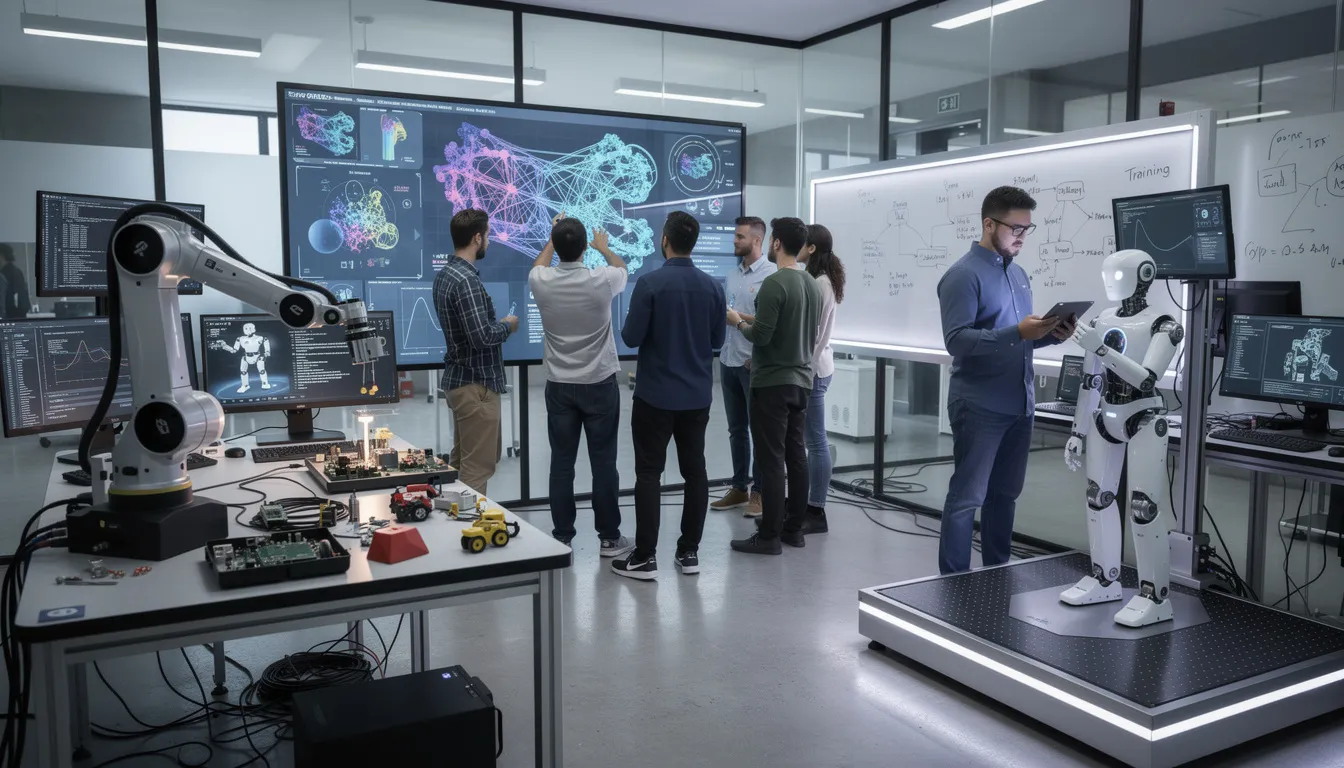
The concept encompasses both the process—from initial research and development through market adoption—and the outcome in the form of new products, services, platforms, or methodologies. At its core, technology innovation combines scientific knowledge, engineering capabilities, and market insight to convert ideas into scalable, economically viable solutions that produce measurable impact across cost reductions, revenue growth, and operational efficiency.
Key characteristics that define modern technology innovation include the integration of multiple technologies, focus on practical applications, and demonstrable business impact. Microsoft’s integration of GPT technology into its Office suite exemplifies this approach, combining existing productivity tools with artificial intelligence to create enhanced user experiences and new revenue streams. Similarly, Tesla’s Full Self-Driving technology showcases how innovation extends beyond basic invention to create comprehensive solutions that transform entire industries.
The innovation lifecycle typically progresses through distinct phases: research and development, concept validation, prototyping, testing, deployment, and continuous improvement. Understanding this lifecycle helps organizations allocate resources effectively and manage the inherent uncertainties associated with technological innovation projects.
Types of Technology Innovation
Technology innovation manifests in several distinct forms, each requiring different strategic approaches and resource allocations. Incremental innovation involves continuous improvements to existing technologies and represents the most common form of innovation in established organizations. Apple’s annual iPhone updates demonstrate this approach, incorporating better camera sensors, improved battery life, and enhanced processing capabilities while maintaining the core product architecture.
Disruptive innovation introduces technologies that initially serve niche markets but eventually transform entire industries. ChatGPT’s impact on content creation exemplifies disruptive innovation, starting with specific use cases but rapidly expanding to influence education, marketing, customer service, and creative industries. These innovations often challenge established business models and create new market categories.
Radical innovation involves breakthrough technologies that redefine possibilities and create entirely new industries. CRISPR gene editing technologies represent radical innovation in biotechnology, enabling precise genetic modifications that were previously impossible. Similarly, recent developments in room-temperature superconductors promise to revolutionize energy transmission and storage systems.
Architectural innovation combines existing technologies in new configurations to create enhanced capabilities. Tesla’s integrated automotive ecosystem demonstrates this approach, combining electric drivetrains, advanced software systems, over-the-air updates, and autonomous driving features into a cohesive platform that redefines customer expectations for vehicles.
Current Technology Innovation Landscape
The global technology innovation environment in 2024 reflects unprecedented investment levels and accelerating development cycles. With $847 billion in global innovation spending during 2023, organizations are prioritizing artificial intelligence and machine learning initiatives, which account for approximately 40% of total innovation investments. This massive financial commitment underscores the strategic importance that business leaders place on technological advancement as a competitive differentiator.
Leading innovation hubs continue to drive global technology development, with Silicon Valley maintaining its position as the primary center for venture capital funding and startup activity. However, emerging centers in Shenzhen, Tel Aviv, London, Singapore, and Toronto are gaining prominence, creating a more distributed global innovation ecosystem. This geographic diversification enables access to specialized talent pools and regulatory environments that support different types of technological innovation.
Investment patterns reveal significant shifts in funding priorities, with venture capital reaching $415 billion in 2023. Approximately 35% of this funding targeted technology innovation startups, particularly those developing artificial intelligence, quantum computing, biotechnology, and sustainable energy solutions. Corporate innovation leaders are also increasing their R&D investments, with Amazon allocating $73.2 billion, Google pursuing ambitious moonshot projects through Alphabet’s Other Bets division, and Meta investing heavily in Reality Labs to develop metaverse technologies.
The competitive landscape shows established technology companies and startups competing across multiple fronts, from cloud computing infrastructure to edge computing solutions, autonomous vehicles, and smart contracts implementation. This competition drives rapid innovation cycles and creates opportunities for organizations that can effectively identify and adopt emerging technologies.
Breakthrough Technologies of 2024
The evolution of generative artificial intelligence represents one of the most significant technological advancements of 2024. OpenAI’s GPT-4 Turbo and Google’s Gemini Ultra have achieved new benchmarks in natural language processing and reasoning capabilities, leading to enterprise adoption rates reaching 67% among Fortune 500 companies. These ai systems demonstrate enhanced problem solving abilities and support more sophisticated human robot interaction scenarios.
Quantum computing has achieved notable milestones with IBM’s 1,121-qubit Condor processor and Google’s breakthroughs in quantum error correction. These advances bring quantum mechanics applications closer to practical implementation, particularly in complex optimization problems, cryptography, and drug discovery research. Industry experts predict that quantum computing will reach commercial viability for specific use cases within the next three to five years.
Autonomous systems continue advancing across multiple domains, with Waymo accumulating over 4 million autonomous miles and Tesla’s Full Self-Driving version 12 demonstrating improved performance in complex urban environments. Boston Dynamics’ Atlas robot capabilities showcase the potential for autonomous vehicles and robotic systems in industrial processes and service applications.
Sustainable technology solutions have made significant progress, with perovskite solar cells achieving 26% efficiency rates and solid-state batteries reaching commercial viability. These technological advancements address renewable energy challenges and support the transition away from fossil fuels while creating new business opportunities in clean technology sectors.
Strategic Management of Technology Innovation
Effective technology innovation requires comprehensive strategic frameworks that align technological capabilities with business objectives and market opportunities. Organizations implementing structured innovation management processes create competitive advantages through systematic approaches to technology development, resource allocation, and risk management. The most successful companies develop innovation strategies that balance short-term improvements with long-term transformational investments.
Portfolio management represents a critical component of innovation strategy, with leading organizations following the 70-20-10 rule: 70% of innovation resources focused on core business improvements, 20% on adjacent market opportunities, and 10% on transformational technologies that could create entirely new business models. This balanced approach ensures sustainable innovation pipelines while pursuing breakthrough opportunities.
Resource allocation strategies vary significantly across organizations, but successful companies consistently invest in building internal innovation capabilities. 3M’s famous 15% rule, which allows employees to spend portion of their time on personal innovation projects, and Google’s 20% time policy demonstrate how organizational culture can support innovation. These approaches recognize that technological innovations often emerge from unexpected directions and require creative exploration beyond formal R&D processes.
Performance metrics for innovation extend beyond traditional financial measures to include patent applications filed, time-to-market improvements, customer satisfaction scores, and the percentage of revenue generated from recent product launches. These comprehensive measurement approaches help organizations optimize operations and make data driven decisions about innovation investments.
Building Innovation Ecosystems
Creating effective innovation ecosystems requires integrating internal capabilities with external partnerships and collaborative relationships. Successful organizations establish dedicated innovation labs, cross-functional teams, and agile development processes that support rapid experimentation and iterative improvement. These internal structures provide the organizational foundation necessary to stay ahead of technological trends and competitive pressures.
External partnerships enhance innovation capabilities by providing access to specialized expertise, emerging technologies, and market insights. Strategic alliances with universities enable access to cutting-edge research and talented graduates, while partnerships with technology startups provide exposure to disruptive innovations and entrepreneurial approaches. Established companies also form relationships with venture capital firms and innovation accelerators to identify promising new technologies early in their development cycles.
Open innovation models have proven particularly effective for complex technological challenges that require diverse expertise and perspectives. Procter & Gamble’s Connect + Develop program and IBM’s extensive innovation network demonstrate how organizations can leverage external creativity and problem solving capabilities to accelerate their internal innovation processes.
Cultural transformation remains essential for successful innovation implementation. Organizations must foster innovation mindsets through leadership commitment, appropriate incentive structures, and tolerance for failure during experimentation phases. Creating environments where teams feel empowered to explore innovative technology solutions and take calculated risks significantly enhances innovation outcomes.
Industry Applications and Use Cases
Technology innovation is transforming industries through practical applications that solve real-world problems and create new business opportunities. Healthcare represents one of the most dynamic sectors for technological innovation, with artificial intelligence powering advanced diagnostic systems, personalized medicine approaches, and robotic surgical platforms. Machine learning algorithms analyze medical imaging data with increasing accuracy, while gene editing technologies enable targeted therapies for previously untreatable conditions.
Financial services have experienced revolutionary changes through blockchain applications, algorithmic trading systems, and digital banking innovations. Traditional banks and fintech startups compete to develop solutions that improve customer experiences, reduce operational costs, and enhance security measures. Smart contracts automate complex financial transactions, while artificial intelligence supports fraud detection and risk management processes.
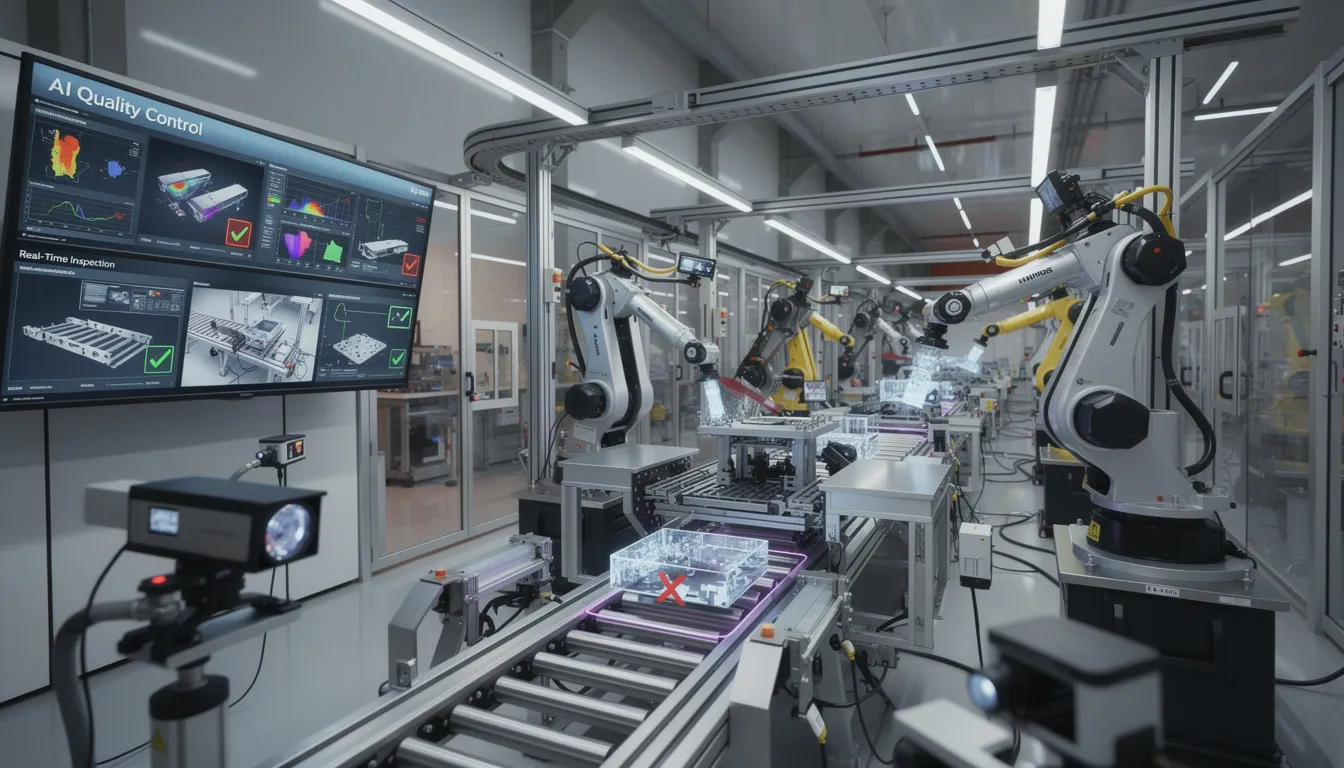
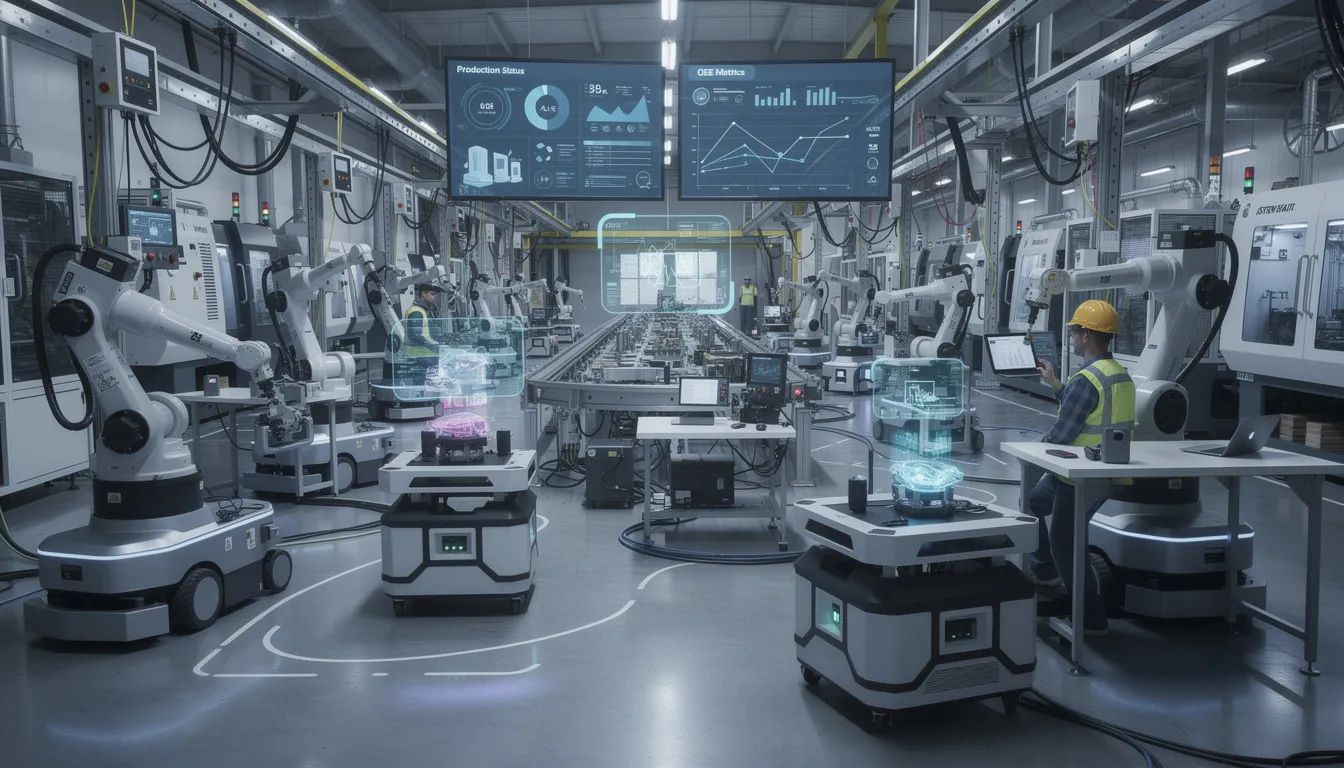
Manufacturing evolution continues through Industry 4.0 implementations that integrate connected sensors, predictive maintenance systems, and smart factory automation. Industrial robots work alongside human operators as collaborative robots, while machine learning algorithms optimize production schedules and quality control processes. These technological advancements increase productivity, reduce waste, and improve workplace safety across manufacturing sectors.
Retail innovation encompasses augmented reality shopping experiences, automated warehousing systems, and personalized customer engagement platforms. Companies use artificial intelligence to analyze customer behavior patterns, optimize inventory management, and create customized product recommendations. Internet of Things devices enable real-time tracking of products throughout supply chains, while automation technologies streamline logistics and distribution operations.
Emerging Sector Opportunities
Climate technology represents a rapidly expanding area for innovation, driven by regulatory frameworks and market demands for sustainable solutions. Companies are developing carbon capture technologies, advanced renewable energy storage systems, and sustainable materials that reduce environmental impact. These innovations address critical environmental challenges while creating new market opportunities worth billions of dollars.
Space technology has emerged as a significant innovation frontier, with commercial space stations, satellite internet networks, and asteroid mining preparations attracting substantial investment. Private companies are developing reusable launch systems, space manufacturing capabilities, and orbital infrastructure that support expanded human presence beyond Earth.
Biotechnology advances continue accelerating through gene therapy breakthroughs, lab-grown meat production, and longevity research initiatives. These innovations promise to transform healthcare, agriculture, and food production while addressing global challenges related to population growth and resource scarcity.
Smart cities initiatives integrate Internet of Things infrastructure, traffic optimization systems, and energy management platforms to improve urban living conditions. These comprehensive technology implementations optimize operations across transportation, utilities, and public services while reducing costs and environmental impact.
Implementation Challenges and Solutions
Organizations pursuing technology innovation often encounter substantial technical hurdles that demand thoughtful planning and strategic resource allocation. One of the most significant obstacles is integration complexity, as new solutions must operate smoothly alongside existing systems and infrastructure. Legacy platforms frequently lack compatibility with modern technologies, resulting in the need for extensive modifications or even full system replacements which can impact budgets and project timelines. These challenges highlight the importance of strong Custom Software Product Development practices to ensure seamless adoption and long-term scalability.
Scalability issues present another major challenge, as technologies that work effectively in pilot programs may struggle to handle enterprise-level demands. Organizations must thoroughly test new technologies under realistic conditions and develop scaling strategies that address performance, security, and reliability requirements before full implementation.
Financial constraints significantly impact innovation initiatives, as high research and development costs, uncertain return on investment timelines, and funding limitations for long-term projects create barriers for many organizations. Companies must develop sophisticated financial models that account for innovation uncertainties while demonstrating value to stakeholders and investors.
Regulatory frameworks often lag behind technological advancements, creating compliance challenges for organizations implementing artificial intelligence systems, handling personal data, and operating in highly regulated industries. Navigating artificial intelligence governance requirements, data privacy laws, and industry-specific regulations requires specialized expertise and ongoing monitoring of regulatory developments.
Talent acquisition represents a persistent challenge across technology sectors, with shortages of skilled professionals in artificial intelligence, cybersecurity, and emerging technology fields limiting innovation capabilities. Organizations compete intensively for qualified candidates while investing in training programs and partnerships with educational institutions to develop necessary skills.
Risk Management Strategies
Effective technology innovation requires comprehensive risk assessment processes that evaluate technical feasibility, market readiness, and competitive threats. Organizations must develop systematic approaches to identifying potential risks early in innovation projects and implementing mitigation strategies that protect investments and maximize success probabilities.
Intellectual property protection strategies become critical as organizations develop proprietary technologies and innovative solutions. Patent portfolios, trade secret management, and defensive patent strategies help protect innovation investments while enabling organizations to leverage their technological developments for competitive advantage.
Cybersecurity considerations have become increasingly important as organizations develop connected systems and rely on cloud computing infrastructure. Protecting innovation assets, securing development environments, and implementing compliance frameworks require ongoing attention and investment in security technologies and expertise.
Market validation approaches help organizations reduce innovation risks by gathering customer feedback early in development processes, conducting pilot programs that test real-world applications, and implementing iterative development methodologies that adapt to changing market conditions and user requirements.
Future Directions and Trends
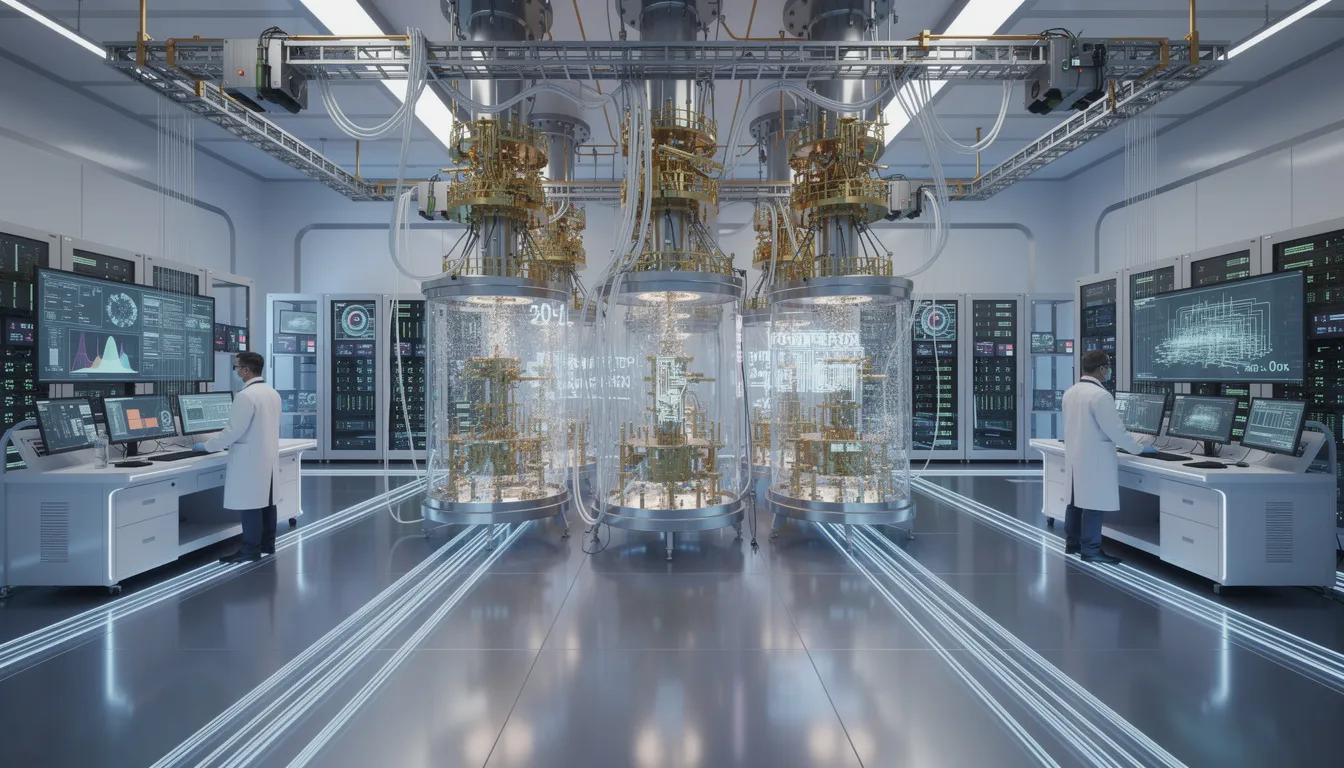
The technology innovation landscape for 2025-2030 promises breakthrough developments across multiple domains that will reshape business and society. Quantum computing is expected to achieve practical supremacy for specific applications, particularly in optimization problems, cryptography, and complex simulations that traditional computers cannot handle effectively. Organizations are preparing for this transition by developing quantum-ready algorithms and infrastructure.
Artificial general intelligence development represents another transformative trend, with researchers working toward systems that can perform any intellectual task that humans can accomplish. While true AGI remains years away, progress in this direction will create intermediate technologies that significantly enhance human capabilities and automate complex cognitive work.
Fusion energy technologies are approaching commercial viability, with multiple organizations achieving significant milestones in controlled nuclear fusion reactions. Successful implementation of fusion power could revolutionize global energy systems and provide clean, abundant power for industrial processes and everyday needs.
Convergence technologies represent a particularly exciting area for future innovation, as artificial intelligence integrates with biology, quantum computing combines with classical systems, and brain-computer interfaces enable direct neural control of digital devices. These hybrid approaches create possibilities that exceed the capabilities of individual technologies.
The societal impact of emerging technologies extends beyond business applications to address climate change, healthcare access, and digital equity challenges. Technology innovation increasingly focuses on solving global problems while creating economic value and improving quality of life for diverse populations.
Emerging paradigms include decentralized innovation models that distribute development activities across global networks, sustainable technology frameworks that prioritize environmental considerations, and human-AI collaboration models that augment rather than replace human capabilities.
Investment and Market Projections
Investment trends indicate continued growth in technology innovation funding, with projections suggesting annual global innovation investment could reach $1.5 trillion by 2030. This massive increase reflects growing recognition that technological innovation drives economic growth, competitive advantage, and solutions to global challenges.
Market opportunities across key technology sectors present substantial revenue potential. The artificial intelligence market is projected to reach $1.8 trillion by 2030, driven by enterprise adoption and consumer applications. Quantum computing markets are expected to grow to $125 billion, while renewable technology sectors could exceed $2.8 trillion as organizations transition to sustainable energy systems.
Geographic shifts in innovation investment show Asia-Pacific regions gaining prominence, with spending expected to surpass North America by 2028. This transition reflects growing technology capabilities, supportive regulatory environments, and substantial government investments in research and development across Asian countries.
Sector priorities for future investment include healthcare technology solutions that address aging populations and chronic diseases, climate technologies that support environmental sustainability goals, and cybersecurity systems that protect increasingly connected digital infrastructure.
FAQ
What’s the difference between technology innovation and digital transformation?
Technology innovation focuses on creating new technological solutions, products, or services that solve previously unsolved problems or create new capabilities. Digital transformation involves adopting existing technologies to modernize business processes, operations, and customer experiences. While innovation develops new technologies, transformation implements proven technologies to improve existing systems.
How long does it typically take for a technology innovation to reach market maturity?
Most breakthrough technologies follow a 10-15 year cycle from initial research to widespread adoption, following the typical pattern of emerging technology development through market acceptance. However, software-based innovations and artificial intelligence solutions can achieve market penetration in 3-5 years due to lower implementation barriers and faster iteration cycles. The timeline depends heavily on factors like regulatory requirements, infrastructure needs, and market readiness.
Which metrics should companies use to measure innovation success beyond financial returns?
Key performance indicators include patent applications filed, time-to-market improvements for new products, customer satisfaction scores, employee engagement in innovation activities, and the percentage of revenue generated from products launched within the last three years. Organizations should also track innovation pipeline health, collaboration effectiveness, and the success rate of pilot programs to ensure sustainable innovation capabilities.
How can small companies compete with tech giants in innovation without massive R&D budgets?
Small companies can focus on niche markets where they can move faster than large corporations, leverage open-source technologies and cloud computing platforms to reduce infrastructure costs, form strategic partnerships with universities and other organizations, participate in innovation accelerators and incubators, and prioritize agility over scale in their innovation approaches. They often have advantages in speed, flexibility, and specialized market knowledge that can offset resource limitations.
What role will sustainability play in future technology innovation priorities?
Environmental considerations are becoming central to innovation strategies, with 78% of companies now integrating sustainability metrics into their technology development processes. This shift is driven by regulatory requirements, investor demands for ESG compliance, and consumer preferences for environmentally responsible products. Future innovations will increasingly focus on reducing carbon footprints, improving resource efficiency, and developing circular economy solutions that minimize waste and environmental impact.
Do you like to read more educational content? Read our blogs at Cloudastra Technologies or contact us for business enquiry at Cloudastra Contact Us.