DevOps Security Testing for Supply Chain Security Tools in VMware Tanzu
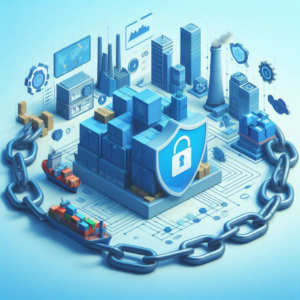
In the modern software landscape, supply chain security has emerged as a critical concern for enterprises. The increasing frequency and sophistication of software supply chain attacks have prompted organizations to seek robust solutions to safeguard their applications and infrastructure. DevOps security testing plays a crucial role in identifying vulnerabilities early in the development process. VMware Tanzu offers a comprehensive suite of tools that enhance supply chain security, ensuring that organizations build, deploy, and manage applications with security as a fundamental principle.
Understanding Supply Chain Security in the Context of VMware Tanzu
The software supply chain encompasses all processes and components involved in delivering software from development to production. This includes source code, dependencies, build processes, and deployment artifacts. Each of these components can introduce vulnerabilities if not properly managed. VMware Tanzu’s devops security testing tools aim to mitigate these risks by integrating security practices throughout the software development lifecycle.
Key Components of Supply Chain Security in VMware Tanzu
1. Tanzu Build Service (TBS):
– TBS automates the process of building container images from application source code. It leverages Cloud Native Buildpacks to ensure that images are built with the latest security patches and best practices.
– TBS provides a centralized library of buildpacks and stacks, enabling organizations to standardize their container build processes. This standardization reduces the risk of vulnerabilities introduced by inconsistent build practices across different teams.
– The service also automates rebuilding images when it discovers vulnerabilities in the underlying libraries, significantly speeding up the patching process.
2. VMware Application Catalog (VAC):
– VAC provides a curated catalog of open-source software (OSS) that organizations can use to build their applications. It ensures that the OSS components are scanned for vulnerabilities and are compliant with enterprise security policies.
– The catalog automates the retrieval and deployment of secure OSS components, while devops security testing ensures their integrity and security.
– By using VAC, organizations can maintain a high level of transparency and control over the OSS components they use, ensuring that they meet security and compliance requirements.
3. Harbor:
– Harbor is a cloud-native registry that stores and manages container images. It provides features such as image scanning, role-based access control (RBAC), and vulnerability management.
– By integrating Harbor into the Tanzu ecosystem, organizations can ensure that only trusted and compliant images are deployed to production environments. Harbor’s scanning capabilities help identify vulnerabilities in images before they are deployed, allowing teams to address issues proactively.
4. Tekton:
– Tekton is a Kubernetes-native CI/CD framework that enables organizations to define and run pipelines for building, testing, and deploying applications.
– By integrating Tekton with Tanzu, organizations can automate their software delivery processes while incorporating security checks at each stage. This ensures that vulnerabilities are identified and addressed early in the development lifecycle.
5. Supply Chain Security Tools:
– VMware Tanzu includes a suite of tools specifically designed to enhance supply chain security. These tools continuously scan source code, dependencies, and container images for known vulnerabilities using an up-to-date database.
– The tools also handle the storage of scan results, reporting, and cryptographic signing of artifacts to ensure their integrity. This comprehensive approach allows organizations to maintain a secure software supply chain.
Implementing Supply Chain Security in VMware Tanzu
To effectively implement supply chain security using VMware Tanzu, organizations should follow a structured approach that includes devops security testing throughout the development lifecycle:
1. Establish a Security Baseline: Organizations should define a security baseline that outlines the security requirements for their applications and infrastructure. This baseline should include policies for using OSS components, container image standards, and compliance requirements.
2. Integrate Security into the Development Process: Security should be integrated into the development process from the outset. This includes using TBS to build secure container images, leveraging VAC for OSS components, and implementing Tekton for CI/CD pipelines that include security checks.
3. Automate Vulnerability Scanning: Organizations should automate the scanning of source code, dependencies, and container images for vulnerabilities. This can be achieved using the built-in scanning capabilities of TBS, VAC, and Harbor.
4. Monitor and Respond to Vulnerabilities: Continuous monitoring of the software supply chain is essential. Organizations should establish processes for responding to newly discovered vulnerabilities, including automated rebuilding of affected images and updating OSS components.
5. Educate and Train Teams: Security is a shared responsibility across development, operations, and security teams. Organizations should invest in training and education to ensure that all team members understand their roles in maintaining supply chain security.
Challenges in DevOps Security Testing for VMware Tanzu
While VMware Tanzu provides a robust framework for supply chain security, organizations may face several challenges in its implementation:
- Complexity of Integration: Integrating various tools and processes can be complex, especially in large organizations with established workflows. Organizations should carefully plan their integration strategy to minimize disruption.
- Cultural Resistance: Shifting to a security-first mindset may encounter resistance from teams accustomed to traditional development practices. Organizations should foster a culture of security by demonstrating the benefits of secure practices.
- Keeping Up with Evolving Threats: The threat landscape is constantly evolving, and organizations must stay informed about new vulnerabilities and attack vectors. Regularly updating security practices and tools is essential to maintaining a strong security posture.
Conclusion
Supply chain security is a critical aspect of modern software development, and VMware Tanzu provides a comprehensive suite of tools to address this challenge. Integrating devOps security testing reduces risk and ensures secure application deployment. Additionally, App and Platform Security in VMware Tanzu offers enhanced security features that strengthen the overall protection of applications. As the threat landscape continues to evolve, leveraging the capabilities of VMware Tanzu will be essential for organizations seeking to maintain a secure software supply chain.
Do you like to read more educational content? Read our blogs at Cloudastra Technologies or contact us for business enquiry at Cloudastra Contact Us.