Introduction to Cloud Computing and Artificial Intelligence in Web Development
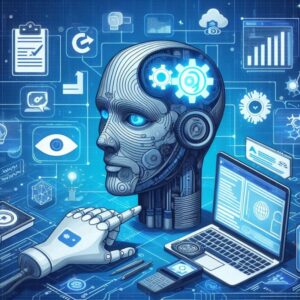
Cloud computing and artificial intelligence (AI) are revolutionizing web development, especially in the UAE. The integration of these technologies transforms how developers create, manage, and enhance web applications. By utilizing cloud computing and AI, developers can streamline workflows and boost user experiences through personalization, automation, and smart decision-making. However, this integration comes with its own set of challenges and ethical considerations that developers must address to use AI responsibly and effectively.
The Role of Cloud Computing and Artificial Intelligence in Web Development
Cloud computing and artificial intelligence technologies, such as machine learning, natural language processing (NLP), and computer vision, are increasingly being integrated into web development. These technologies allow developers to build more dynamic, responsive, and user-focused applications. For instance, machine learning algorithms can analyze user behavior and preferences to deliver personalized content. NLP can enhance user interactions through chatbots and virtual assistants, while computer vision can be utilized in applications that require image recognition or augmented reality features.
Challenges in Cloud Computing and Artificial Intelligence-Enhanced Web Development
1. Technical Complexity
Integrating cloud computing and artificial intelligence into web development adds significant technical complexity. Developers need a solid understanding of both web development principles and AI technologies. This dual expertise is crucial for effectively implementing AI solutions that meet project goals. The integration process involves several stages, including data collection, model selection, training, and deployment. Each stage presents challenges, from ensuring data quality to selecting suitable algorithms and frameworks.
2. Data Privacy and Security
As reliance on data for training AI models increases, data privacy and security become critical concerns. Developers must ensure that user data is collected, stored, and processed in compliance with regulations, such as the General Data Protection Regulation (GDPR). Implementing strong security measures to protect sensitive information from breaches and unauthorized access is essential. Additionally, ethical considerations regarding data usage must be addressed to maintain user trust and confidence.
3. Bias and Fairness
AI systems can reflect biases present in their training data, leading to unfair outcomes. This is especially concerning in applications that impact users’ lives, such as hiring algorithms or loan approval systems. Developers must actively work to identify and mitigate biases in their AI models. This includes using diverse and representative datasets, conducting regular audits, and refining models to ensure fairness and equity in decision-making processes.
4. Explainability and Transparency
As AI models grow more complex, their decision-making processes can become opaque, making it hard for users to understand how outcomes are reached. This lack of explainability can hinder user trust and acceptance of AI-driven solutions. Developers face the challenge of creating interpretable AI systems that provide insights into their decision-making processes. Techniques like model-agnostic interpretability and visualization tools can enhance transparency.
Opportunities in Cloud Computing and Artificial Intelligence-Enhanced Web Development
1. Enhanced User Experience
Cloud computing and artificial intelligence enable developers to create more engaging and personalized user experiences. By analyzing user behavior and preferences, AI can deliver tailored content, recommendations, and interactions. This level of personalization fosters deeper user engagement and satisfaction, ultimately leading to improved retention rates and conversions.
2. Automation of Repetitive Tasks
AI can automate routine and repetitive tasks in web development, freeing developers to focus on more complex and creative aspects of their projects. For example, AI-powered code completion tools can help developers write code more efficiently, while automated testing frameworks can streamline the testing process. This increased efficiency can lead to faster development cycles and reduced time-to-market for web applications.
3. Predictive Analytics
Integrating cloud computing and artificial intelligence into web applications allows for predictive analytics, providing valuable insights into user behavior and trends. By leveraging historical data, developers can anticipate user needs and preferences, enabling proactive decision-making. This capability enhances marketing strategies, product recommendations, and overall user engagement.
Ethical Considerations in Cloud Computing and Artificial Intelligence-Enhanced Web Development
1. Responsible AI Development
As developers integrate cloud computing and artificial intelligence into their projects, they must prioritize responsible AI practices. This includes adhering to ethical guidelines that promote fairness, accountability, and transparency. Developers should continuously learn about ethical AI practices and collaborate with interdisciplinary teams to address ethical concerns comprehensively.
2. Human-Centric AI Design
A human-centric approach to AI design emphasizes aligning AI technologies with human values and needs. Developers should consider the societal impact of their AI solutions and strive to create systems that enhance human well-being. This involves seeking user feedback, conducting usability testing, and iterating on designs to ensure that AI applications serve users’ best interests.
3. Continuous Monitoring and Evaluation
The deployment of AI systems is just the beginning; continuous monitoring and evaluation are essential to ensure optimal performance and ethical compliance. Developers should implement feedback loops to gather user input and assess the effectiveness of AI solutions. Regular audits and assessments can help identify potential biases, security vulnerabilities, and areas for improvement.
Conclusion
Navigating the landscape of the cloud technology and artificial intelligence in web development presents both challenges and opportunities for developers. By embracing these technologies, developers can create more dynamic, personalized, and efficient web applications. However, they must stay mindful of the ethical considerations that accompany AI integration. By prioritizing responsible AI practices, promoting human-centric design, and engaging in continuous monitoring, developers can harness the power of cloud technology and AI to create innovative solutions that benefit both users and society. Additionally, the Integrated Intelligence of Smart Manufacturing Factory can be leveraged to optimize industrial processes. As web development continues to evolve, the integration of cloud technology and artificial intelligence will undoubtedly shape the future of digital experiences in the UAE.
For more insights and support in software services, visit Cloudastra Technologies. We specialize in providing innovative solutions tailored to your business needs. Reach out for any inquiries and if you like to read more educational content? Read our blogs at Cloudastra Technologies or contact us for business enquiry at Cloudastra Contact Us.